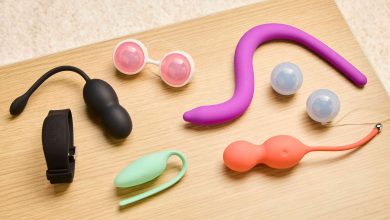
When it comes to adult products, quality is far more than just a luxury—it is an essential aspect that affects safety, satisfaction, and long-term value. Whether you’re exploring vibrators, lubricants, BDSM accessories, or intimate apparel, investing in high-quality items can dramatically improve your experience. In this article, we will explore why prioritizing quality matters, how it influences your choices, and practical tips for making informed purchases.
Understanding the Importance of Quality
Safety First
The most critical reason quality matters in adult product shopping is personal safety. Low-quality materials can cause allergic reactions, skin irritation, or infections. For example, products made from cheap plastics or non-medical-grade silicone may contain harmful chemicals like phthalates. These chemicals can be toxic and lead to long-term health issues.
Choosing items made from body-safe, non-toxic materials is essential. Look for products labeled as medical-grade silicone, stainless steel, glass, or high-quality ABS plastic. These materials are non-porous, easy to clean, and safe for prolonged use. Safety should always be non-negotiable when selecting intimate products.
Enhanced Pleasure and Experience
Quality directly affects pleasure and satisfaction. A well-designed vibrator with multiple settings and ergonomic features will provide better stimulation and comfort than a cheaply made alternative. Similarly, a lubricant formulated for long-lasting smoothness can enhance intimacy far more effectively than one that dries out quickly or causes irritation.
Consider how precision engineering, thoughtful design, and material integrity influence performance. High-quality products are built to deliver consistent sensations, fit comfortably, and last longer, elevating both solo and partnered experiences.
Durability and Longevity
While lower-priced items may seem appealing, they often wear out quickly. Motors in cheap vibrators burn out, straps on bondage gear break, and seams on intimate apparel tear after a few uses. Investing in high-quality adult products ensures durability, saving money over time despite a higher upfront cost.
Durable products also contribute to a more sustainable approach to shopping. High-quality items reduce waste because they don’t need to be replaced frequently, making them better for both your wallet and the environment.
How to Identify High-Quality Adult Products
Material Matters
One of the first indicators of quality is the material used. Each product type has preferred materials:
-
Vibrators and Dildos: Medical-grade silicone, stainless steel, borosilicate glass
-
Lubricants: Water-based or silicone-based formulations with skin-friendly ingredients
-
Bondage Gear: Leather, reinforced nylon, or high-quality metals for cuffs and chains
-
Apparel: Soft, breathable fabrics with solid stitching and secure closures
Check product descriptions carefully and avoid items with vague or incomplete information about materials.
Design and Functionality
High-quality products often feature thoughtful design and ergonomic functionality. Consider:
-
Ease of Use: Controls should be intuitive and accessible.
-
Customizability: Multiple speeds, patterns, or adjustable features enhance versatility.
-
Comfort: Products should be smooth, contoured, and safe to touch.
Ergonomics and user-focused design are particularly important for toys and wearable items, as discomfort can ruin the experience or even pose a safety risk.
Customer Reviews and Brand Reputation
While new brands may offer innovative products, established reputations often indicate reliability. Reading customer reviews provides insights into product performance, durability, and real-life experiences. Look for repeated mentions of material quality, battery life, or comfort.
A brand that emphasizes quality assurance, safety certifications, and customer support signals that it values user satisfaction. Avoid sellers that have limited transparency or unverifiable claims about their products.
The Role of Hygiene and Maintenance
High-quality products are generally easier to clean and maintain, which is crucial for health and longevity. Non-porous materials like silicone and glass don’t harbor bacteria, reducing infection risk. Removable parts, waterproof features, and dishwasher-safe designs enhance convenience.
Regular cleaning with gentle, non-toxic solutions preserves product integrity and ensures that your adult products remain safe and pleasurable over time.
Cleaning Tips for Longevity
-
Use warm water and mild soap for silicone and plastic products.
-
Avoid harsh chemicals or alcohol, which can degrade materials.
-
Store items in a clean, dry place, preferably in separate pouches or boxes.
-
Rechargeable products should be kept dry while charging and not exposed to moisture.
Maintaining your products properly extends their lifespan, reinforcing the value of choosing quality in the first place.
Economic Value of Quality
Investing in high-quality adult products might seem expensive initially, but the long-term savings and satisfaction outweigh the upfront cost. Consider:
-
Fewer Replacements: Durable items don’t break down quickly.
-
Better Performance: High-quality products deliver consistent results, reducing the need for multiple purchases.
-
Reduced Health Risks: Avoiding low-grade materials minimizes medical costs from allergic reactions or infections.
Quality is, in essence, an investment in your well-being, pleasure, and peace of mind.
Tips for Making Smart Purchases
Research Before Buying
Knowledge is power. Understand your needs, explore product types, and read about materials and functionalities. Don’t rush purchases based on price alone.
Prioritize Safety Certifications
Look for products with ISO, CE, or RoHS certifications, which indicate compliance with safety and material standards.
Test and Explore Gradually
When trying new toys or products, start slowly. Test materials on a small skin area if you’re unsure about sensitivity. Gradual exploration ensures safety and comfort.
Read Fine Print
Ensure the product description includes details about material composition, battery type, warranty, and cleaning instructions. Transparency indicates credibility and quality.
Balance Cost and Value
While high-quality products may cost more, balance your budget with the value they provide. Avoid excessively cheap alternatives that compromise safety or performance.
Benefits of Choosing Quality Products
-
Enhanced pleasure and satisfaction through ergonomic design and superior materials.
-
Safety and hygiene that reduce risk of infection or irritation.
-
Durability and longevity that save money over time.
-
Sustainable consumption by reducing waste and repeated purchases.
-
Peace of mind knowing you are investing in your well-being.
Real-Life Example
Consider a silicone vibrator compared to a cheaply made plastic one. The silicone vibrator is body-safe, smooth, easy to clean, and offers multiple vibration modes. The plastic version may degrade quickly, feel uncomfortable, and even harbor bacteria in porous surfaces. Choosing quality ensures a more enjoyable, safer, and longer-lasting experience.
Conclusion
When shopping for adult products, quality should always be the guiding principle. From material safety to ergonomic design, from durability to hygiene, high-quality products enhance satisfaction, reduce health risks, and provide long-term value. Investing in the right products is an investment in your pleasure, well-being, and peace of mind.
By prioritizing safety, functionality, and durability, you can confidently explore your desires, improve intimate experiences, and make purchases that truly serve your needs. Remember, in the world of adult products, quality is never optional—it is essential.
FAQ
Q1: How can I verify if an adult product is made from body-safe materials?
Check for terms like medical-grade silicone, stainless steel, glass, or high-quality ABS plastic. Look for safety certifications such as CE, ISO, or RoHS, and read product descriptions carefully.
Q2: Are high-quality adult products worth the price?
Yes. While the initial cost may be higher, high-quality items are durable, perform better, and reduce health risks, saving money in the long run.
Q3: How should I clean and maintain my adult products?
Use warm water and mild soap for silicone and plastic items. Avoid harsh chemicals, store items separately, and follow manufacturer instructions for rechargeable or electronic products.
Q4: Can I find high-quality products at affordable prices?
Yes, careful research, reading reviews, and comparing products can help you find items that balance quality and cost without compromising safety or performance.
Q5: What should I look for in a high-quality vibrator?
Focus on material safety, ergonomic design, multiple vibration modes, waterproof features, and reliable battery life. High-quality construction ensures comfort and longevity.
Q6: Why is durability important in adult products?
Durable products last longer, reducing the need for frequent replacements, enhancing performance, and supporting sustainable consumption.
Q7: How does quality affect hygiene?
Non-porous, high-quality materials are easier to clean and less likely to harbor bacteria, reducing the risk of infections and maintaining safe usage.