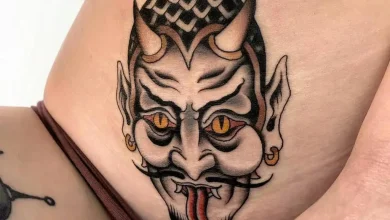
Erotic subcultures have always existed on the fringes of mainstream society, but in recent years, they have experienced a remarkable surge in urban environments. From underground clubs to online communities, these subcultures are expanding rapidly, providing individuals with spaces to explore sexuality, desire, and alternative lifestyles freely. The growth of erotic subcultures in cities is influenced by a combination of social, cultural, and technological factors, all of which create an environment where adult expression is increasingly visible and accessible.
Understanding Erotic Subcultures
What Defines an Erotic Subculture
An erotic subculture refers to a community or network of individuals who share a particular sexual interest, fetish, or lifestyle that diverges from mainstream sexual norms. These communities are often defined by:
-
Shared Interests: Members connect over specific sexual preferences or kinks, such as BDSM, fetishism, polyamory, or erotic roleplay.
-
Safe Spaces: Many erotic subcultures provide environments where individuals can express themselves without judgment or shame.
-
Cultural Codes: They often develop their own rituals, attire, language, and social norms, distinguishing them from mainstream society.
These subcultures are not monolithic. While some are centered on sexual acts, others emphasize intimacy, emotional connection, or erotic artistry. The key factor is the shared understanding and acceptance of desires that might otherwise be considered taboo.
The Appeal of Erotic Subcultures
Erotic subcultures attract participants for a variety of reasons, including:
-
Self-Discovery: Individuals can explore fantasies and identities in a non-judgmental setting.
-
Community Belonging: Many participants value the sense of connection and camaraderie with like-minded people.
-
Expression and Creativity: Costumes, roleplay, and performance allow members to express themselves creatively.
-
Freedom from Societal Norms: Urban erotic subcultures provide a playground where conventional expectations can be challenged safely.
Urbanization and the Growth of Erotic Communities
Cities as Fertile Ground
Urban areas provide an ideal environment for erotic subcultures to thrive due to population density, diversity, and relative anonymity. Large cities often host:
-
Nightlife Scenes: Clubs, bars, and private parties where erotic communities can gather openly.
-
Specialized Venues: BDSM dungeons, fetish lounges, and themed events cater to niche interests.
-
Cultural Acceptance: Metropolitan areas tend to be more progressive, reducing stigma around alternative sexual lifestyles.
The anonymity of city life also allows individuals to explore sexual identities without fear of immediate social reprisal. A person who might face judgment in a small town can participate in erotic communities with greater freedom in a metropolitan setting.
Technology and Online Platforms
The internet has played a crucial role in the expansion of erotic subcultures. Social media, dating apps, and specialized platforms allow urban dwellers to:
-
Connect with Niche Communities: Online forums and groups help individuals find like-minded partners.
-
Learn and Educate: Access to tutorials, discussions, and expert advice enhances participants’ knowledge and safety.
-
Organize Events: Platforms facilitate the creation of gatherings, meetups, and workshops.
This digital connectivity complements the physical spaces in cities, creating a hybrid ecosystem where erotic subcultures can flourish.
Cultural Shifts Influencing Growth
Redefining Sexual Norms
Society’s evolving attitudes toward sexuality have encouraged the growth of erotic subcultures. Concepts such as consent, sexual fluidity, and kink-positivity are increasingly mainstream, which:
-
Reduces Stigma: People are less likely to feel ashamed of their desires.
-
Encourages Exploration: Individuals are motivated to experiment with fantasies safely.
-
Promotes Inclusivity: Subcultures are more welcoming to different genders, orientations, and identities.
Influence of Media and Pop Culture
Movies, television, and literature have brought erotic subcultures into the public eye, often romanticizing or demystifying them. Examples include:
-
BDSM Representation: Popular books and films have normalized aspects of power exchange and fetish play.
-
LGBTQ+ Advocacy: Media highlighting queer experiences intersects with erotic subculture acceptance.
-
Adult Art and Photography: Erotic art exhibitions and publications validate sexuality as a form of personal expression.
These cultural shifts make it easier for individuals to embrace erotic subcultures without feeling marginalized.
Common Types of Erotic Subcultures in Urban Areas
BDSM and Fetish Communities
BDSM (Bondage, Discipline, Dominance, Submission, Sadism, and Masochism) is one of the most visible erotic subcultures in cities. Its popularity stems from its structured approach to consent, power dynamics, and sexual exploration.
-
Dungeons and Clubs: Physical spaces where participants can practice safely.
-
Workshops and Training: Learning rope techniques, impact play, and negotiation strategies.
-
Social Networking: Fetish events often combine eroticism with social engagement.
Polyamory and Open Relationships
Polyamorous communities focus on consensual, non-monogamous relationships. Urban environments are particularly conducive due to:
-
Diverse Population: A higher likelihood of finding partners who share similar relationship philosophies.
-
Social Events: Group meetups, discussions, and lifestyle parties foster community bonds.
-
Acceptance: Cities tend to be more tolerant of alternative family structures.
Erotic Roleplay and Performance
Many subcultures emphasize creativity through roleplay, cosplay, and erotic performance art. Participants enjoy:
-
Fantasy Fulfillment: Acting out desires safely and consensually.
-
Community Participation: Events like masquerades and themed parties enhance social connections.
-
Artistic Expression: Performance and photography allow eroticism to intersect with creativity.
Fetish Fashion and Lifestyle
Fashion-based erotic subcultures, such as latex enthusiasts, corset culture, and leather aficionados, thrive in urban settings where style, nightlife, and identity converge.
-
Clothing as Expression: Outfits signify membership and attraction within the community.
-
Events and Shows: Runway shows, conventions, and parties showcase fetish-inspired fashion.
-
Intersection with Music and Art: These subcultures often blend with nightlife, music, and visual art communities.
Safety, Consent, and Community Ethics
Urban erotic subcultures emphasize safety, consent, and responsible participation. Core principles include:
-
Explicit Consent: Clear communication before any interaction.
-
Aftercare: Ensuring participants feel supported and emotionally safe post-experience.
-
Education: Workshops and mentorship programs reduce risk and enhance enjoyment.
-
Community Guidelines: Rules and codes of conduct prevent harassment and maintain inclusivity.
By prioritizing ethics, these subcultures gain legitimacy and attract participants who value safety alongside erotic exploration.
Psychological and Social Benefits
Participation in erotic subcultures provides both psychological and social advantages:
-
Improved Self-Awareness: Exploration of desires enhances personal understanding.
-
Stress Relief: Engaging in sexual expression can reduce tension and improve mood.
-
Strengthened Relationships: Honest communication and trust in intimate communities improve partner dynamics.
-
Sense of Belonging: Sharing experiences with like-minded individuals fosters connection and acceptance.
Challenges and Misconceptions
Despite growing acceptance, erotic subcultures still face challenges:
-
Social Stigma: Misunderstanding or moral judgment can persist outside urban centers.
-
Safety Concerns: Unregulated spaces may pose risks if consent and boundaries are ignored.
-
Misrepresentation: Media sometimes exaggerates or sensationalizes erotic subcultures, skewing public perception.
Awareness, education, and open dialogue remain key to overcoming these obstacles while maintaining community integrity.
The Future of Erotic Subcultures in Cities
As urbanization continues and digital connectivity strengthens, erotic subcultures are likely to become more visible and diverse. Potential trends include:
-
Hybrid Spaces: Online-offline integration with virtual reality events and live experiences.
-
Greater Inclusivity: Broader acceptance of gender diversity, orientations, and lifestyle choices.
-
Intersection with Wellness: Erotic subcultures may intersect with sexual health, therapy, and mindfulness practices.
-
Creative Expansion: Increased artistic, performance, and fashion-driven exploration of erotic identity.
These trends suggest that erotic subcultures will remain dynamic, evolving communities that continue to challenge norms and provide meaningful spaces for sexual expression.
FAQs About Erotic Subcultures
Q1: Are erotic subcultures safe to participate in?
Yes, when participants follow established rules, consent protocols, and attend well-managed events, erotic subcultures can provide a safe environment for exploration. Education and clear communication are crucial.
Q2: Do erotic subcultures only exist in big cities?
While urban centers offer greater anonymity and resources, smaller towns also have niche communities, often online or in private networks. Cities simply facilitate larger gatherings and visibility.
Q3: Can anyone join an erotic subculture?
Most subcultures welcome adults interested in consensual exploration. It is essential to respect rules, consent, and community guidelines, regardless of experience level.
Q4: How do erotic subcultures handle privacy?
Privacy is a priority. Many communities enforce non-disclosure agreements, anonymous participation, and controlled access to protect members’ identities.
Q5: What is the role of online platforms in these communities?
Online platforms connect members, share knowledge, organize events, and provide resources